Kimberly Script: Your Go-To for Authentic Handwritten Style
There's a certain magic to a well-chosen script font. It can transform a simple design from feeling corporate and cold to something deeply personal and inviting. In the vast sea of script font options, finding one that strikes the perfect balance between elegant flow and authentic character is key. That's where Kimberly Script enters the conversation. This isn't just another handwritten font; it's a carefully crafted typeface designed to inject a genuine, human touch into your projects. Think of it as the digital equivalent of beautiful, flowing penmanship—confident, stylish, and full of personality.
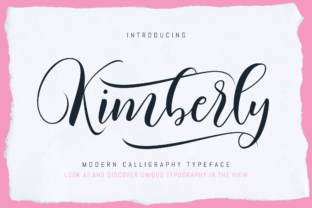
At its core, Kimberly Script is a modern calligraphy script font. What does that mean in practical terms? It means it draws inspiration from traditional calligraphy but updates it for contemporary use. You'll notice its letters have a natural, flowing connection, mimicking the way a pen moves across paper. The strokes have a pleasant, subtle variation in thickness, which adds depth and a sense of movement. Unlike overly rigid or overly casual script fonts, Kimberly Script maintains excellent legibility even at smaller sizes, a crucial feature for any creative font you plan to use in real-world applications. Its overall aesthetic is one of relaxed sophistication—perfect for designs that need to feel approachable yet polished.
Where Kimberly Script Truly Shines
The versatility of a premium font like Kimberly Script is what makes it a valuable addition to any designer's toolkit. Its strength lies in its ability to adapt to a wide range of contexts without losing its core identity. For wedding invitations, it provides the essential romantic and elegant flourish. For logo design, especially for boutiques, lifestyle brands, or artisanal products, it offers instant character and a crafted feel. In the realm of editorial design, it can be used for pull quotes, chapter headings, or magazine titles to add a personal, authoritative voice.
Beyond print, its applications are equally powerful. In web design, it can create beautiful hero text or stylish navigation elements that stand out from standard sans serif font choices. For social media graphics, it's a game-changer. Imagine using it for Instagram story headers, quote graphics, or promotional banners—it instantly elevates the visual appeal and can help boost engagement by making your content feel more curated and professional. It's also a fantastic choice for packaging design, where a handwritten element can communicate care and quality. From business cards and stationery to blog headers and product tags, the applications are nearly endless.
The Art of Pairing and Practical Application
While Kimberly Script is a star on its own, the real power of modern typography comes from thoughtful font pairing. A script font, by nature, is a display font—best used for headlines, logos, and accents rather than for long paragraphs of body text. The key is to pair it with a complementary font that provides contrast and readability. A clean, geometric sans serif font often makes an excellent partner, creating a balanced and contemporary look. For a more classic or editorial feel, pairing it with a sturdy serif font can create a beautiful hierarchy that guides the reader's eye.
When you're evaluating whether Kimberly Script is the right fit for your project, consider the personality of your brand. Does it need to convey warmth, creativity, and a personal connection? If so, it's likely a strong candidate. Always test it in context. Create a mockup of your intended design—whether it's a logo, a website header, or a product label—to see how the letterforms interact with your other design assets and color palette. Pay close attention to letter spacing and line height to ensure optimal readability. Remember, the goal of your brand identity is to communicate clearly and consistently.
Unlocking Every Glyph: Accessing Alternative Characters
One of the standout features of a well-designed premium font like Kimberly Script is the inclusion of stylistic alternates and swashes. These are different versions of certain letters that can add even more flair and uniqueness to your typography. To access these alternative flying machines—as they're sometimes called in design circles—you'll need to use your operating system's character viewer. On a Mac, this is Font Book. On Windows, you can use the Character Map. By exploring these extras, you can customize headlines or logos with unique letter combinations, ensuring your design feels truly one-of-a-kind. This is where a creative font transitions from a simple tool to a powerful asset for typographic expression.
Final Considerations for Your Project
Before finalizing your choice, a few practical steps are essential. First, consider the licensing. Since Kimberly Script is a commercial font, ensure you purchase the correct license for your intended use—whether it's for a personal blog, client work, or a commercial product line. Using fonts legally protects both you and the font designer.
Next, think about your entire design ecosystem. If you're using Kimberly Script for your primary logo, consider how you'll maintain visual consistency across all platforms. This might involve using it selectively for key headings while relying on a simpler sans serif font for website body text and a complementary serif font for printed documents. This thoughtful approach to your brand identity ensures that every piece of communication feels cohesive and professional.
Ultimately, Kimberly Script is more than just a collection of letters. It's a tool for storytelling. It's for the entrepreneur who wants their packaging to feel personal, the blogger who wants their headers to captivate, and the designer who seeks a reliable, beautiful script that won't let them down. By understanding its strengths and applying it with intention, you can leverage this modern calligraphy script font to create designs that are not only visually stunning but also deeply resonant with your audience.