Roommates Script: Crafting Classy & Chic Designs
When you're building a brand or crafting a design that needs to feel both personal and polished, the choice of typography often makes the final call. It's the difference between something that feels generic and something that feels intentionally crafted. That's where a typeface like Roommates Script comes into the conversation. It’s not just another script font; it’s a design asset that brings a specific kind of typographic harmony to the table, blending elegance with a contemporary, approachable energy.
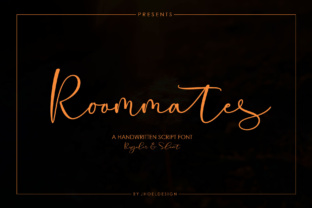
At its core, Roommates Script is a modern script font with a distinct personality. Its letterforms flow with a beautiful, connected rhythm, reminiscent of skilled penmanship but refined for professional use. The visual characteristics lean towards a balanced, semi-formal style—it’s not as wild as a traditional calligraphic script, nor as casual as a rough, hand-drawn font. This middle ground is its strength. The strokes have a consistent, gentle weight that contributes to its readability, while the subtle swashes and elegant terminals add a touch of sophistication. It feels warm and human, yet controlled and intentional, making it a versatile player in any designer's toolkit.
Where This Script Truly Shines
The real-world value of a font is measured by where and how you can use it effectively. Roommates Script excels in projects where you want to inject personality without sacrificing clarity. Think about logo design for boutique businesses, artisan brands, or personal services. The font’s elegant flow can help establish a brand identity that feels both premium and approachable. For a wedding stationery designer, it’s a natural fit for invitations, save-the-dates, and thank you cards, setting a romantic and celebratory tone from the first glance.
But its applications extend far beyond special occasions. In the realm of social media graphics and digital content, Roommates Script can make quotes, announcements, and promotional posts stand out in a crowded feed. It adds a layer of visual interest that a standard sans serif or serif font might not achieve. For packaging design, particularly for cosmetics, gourmet foods, or handmade goods, this script font can communicate quality and care. It tells a story on the label before the customer even reads the product details. In editorial design, like magazine headlines or chapter titles, it can create a striking focal point that draws readers in.
Strategic Pairing and Practical Application
Using a creative font like this effectively requires some strategic thinking. One of the most important considerations is font pairing. Because Roommates Script has such a strong personality, it pairs best with clean, neutral typefaces. A classic serif font can complement its elegance for a traditional feel, while a simple sans serif font can create a beautiful, modern contrast. The key is to let the script be the star—use it for headlines, logos, or short, impactful phrases, and let its partner handle the body text. This creates a clear visual hierarchy and ensures your message remains easy to read.
Readability is always paramount. While Roommates Script is designed for clarity, it’s still a display font, not a body copy workhorse. Use it at sizes where its details can be appreciated, and always test it in context. View your design at the size it will be seen, whether on a mobile screen or a printed poster. The two variants included—Regular and Slant—offer additional flexibility. The Slant variant adds a dynamic, forward-moving energy, which can be perfect for conveying action or excitement, while the Regular style maintains a more composed, stable presence.
Before integrating any premium font into a commercial project, a quick review of the licensing is essential. Ensure the license covers your intended use, whether it’s for a client’s logo, merchandise for sale, or digital products. This simple step protects your work and your client’s investment. Ultimately, choosing a typeface like Roommates Script is about selecting a tool that aligns with the emotional tone of your project. It’s for the designer, the entrepreneur, and the creator who wants their work to feel considered, stylish, and authentically engaging. When used thoughtfully, it doesn’t just display words; it helps tell a story and build a lasting impression.